
Developer platform
Build on the same workspace your team uses.
The developer dashboard inside Utter gives you keys, usage, audit, webhooks, SDK guidance, and the API reference. This public page splits that surface into the parts you need before wiring your tools into production.
Developer
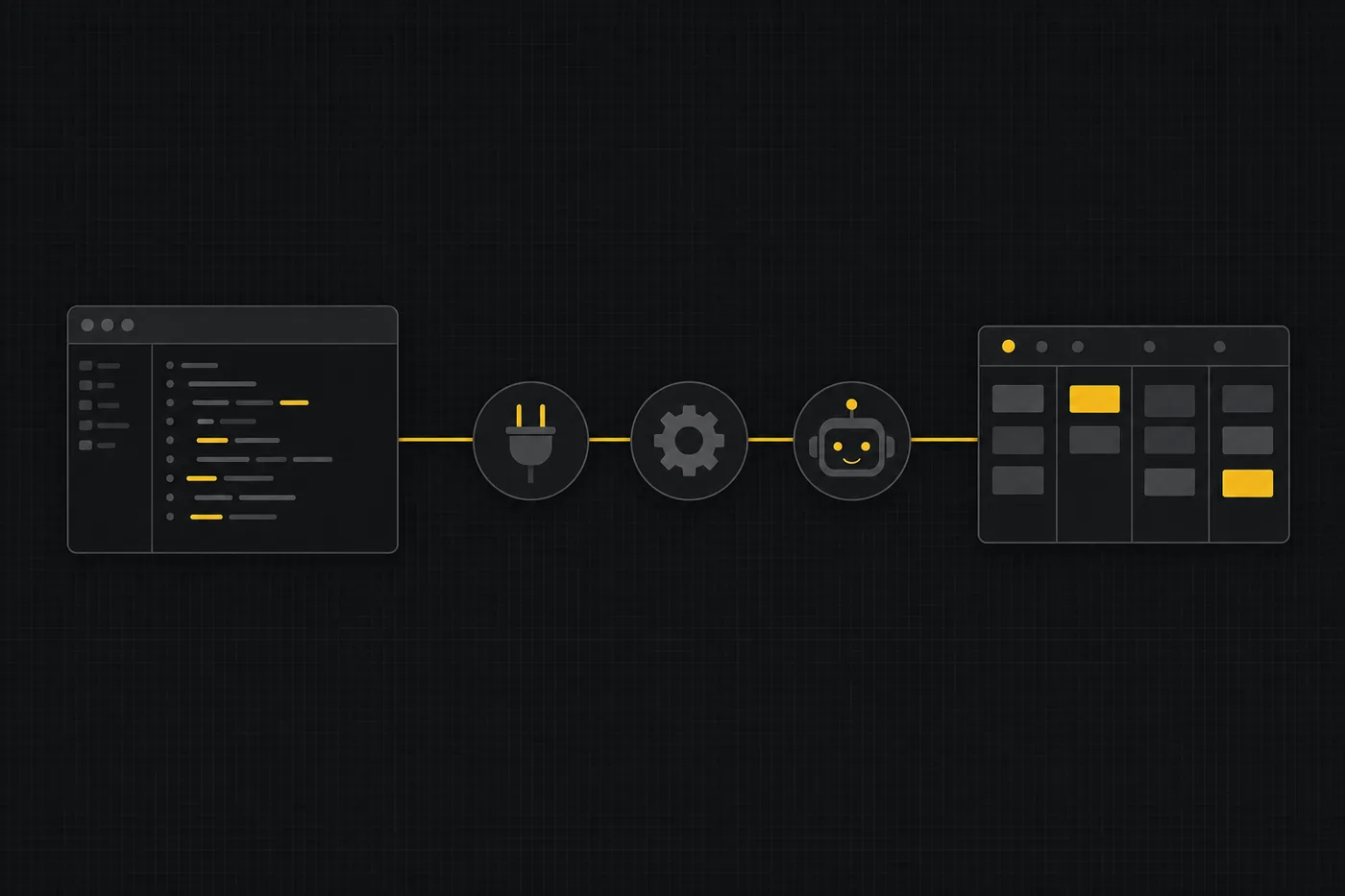
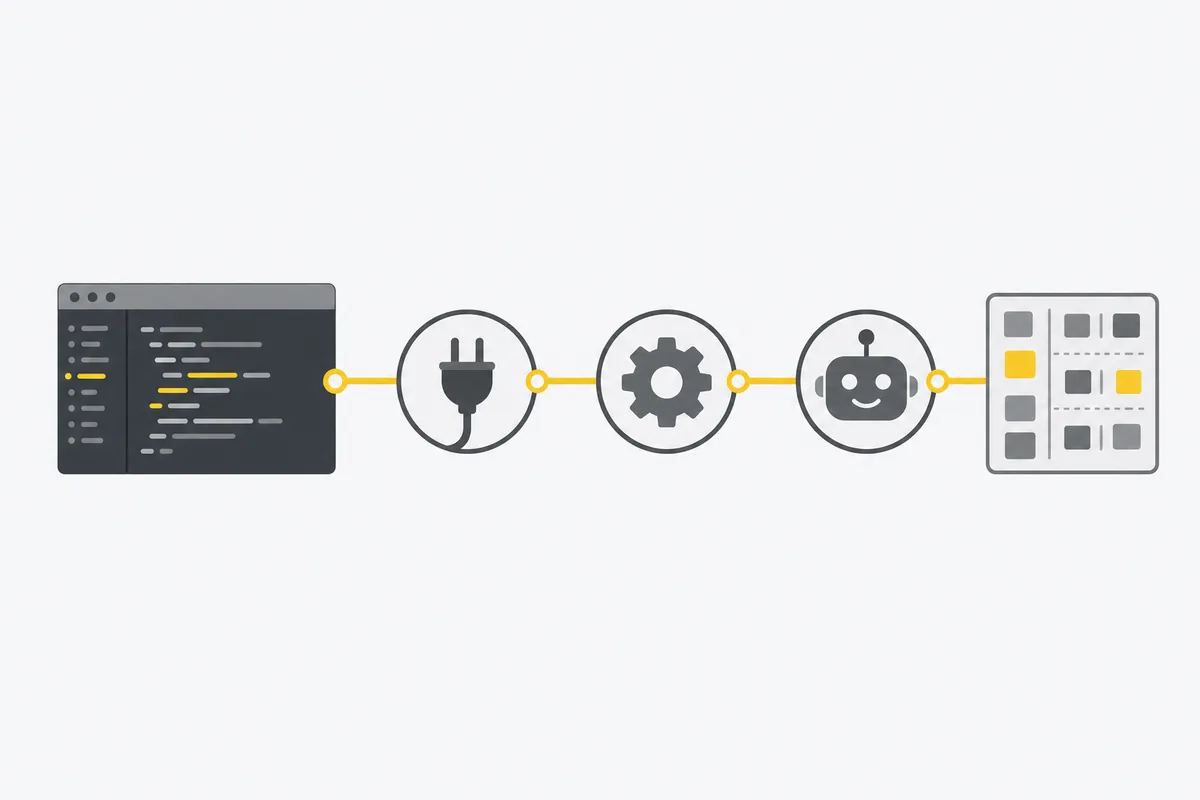
The Utter developer platform is the API surface and tooling for building on your workspace. At its center is a versioned REST API of roughly 180 operations covering issues, projects, sprints, comments, agents, and more, documented in a full OpenAPI reference you can read and generate clients from. A first-party MCP server exposes the same operations to AI agents, so an agent works through the exact API your own code does. You authenticate with API keys scoped to the permissions each integration needs, and subscribe to webhooks for events as they happen. Usage and audit views show every call and change, so you can see what an integration did and when. The OpenAPI spec is the source of truth, which gives you a clear path to generated SDKs in your language. It is the same platform Utter's own product and MCP tools are built on.
What belongs here
APIs, SDKs, keys, webhooks, and observability.
REST API and OpenAPI
Use the versioned /api/v1 surface, live reference, and OpenAPI contract to create issues, update work, post comments, and read project state.
SDK path
Build typed integrations around the same endpoints and project model instead of copying fields into a separate internal tool.
API keys and scopes
Mint keys, scope access, rotate secrets, and keep automation separate from human accounts where that separation matters.
Webhooks
Subscribe external systems to issue, comment, project, and workspace changes with retryable delivery and clear event payloads.
Usage and audit
Watch request volume, inspect key activity, and trace important changes when production automations start doing real work.
MCP and skills
Connect agent clients through MCP and installable skills when the integration is conversational rather than a backend service.
Tool friendly
Designed for the stack developers already use.
Use the OpenAPI contract, npm packages, TypeScript types, and editor or agent workflows without inventing another project database beside Utter.